Welcome to our blog post on how to ensure quality and reliability in every purchase from a stainless steel fastener supplier! Whether you’re in the construction industry, automotive sector, or simply a DIY enthusiast, finding top-notch stainless steel fasteners is essential for the success of your projects. But with so many suppliers out there, how can you be sure that you’re getting the best products? Don’t worry – we’ve got you covered! In this article, we’ll explore what makes up stainless steel fastener quality, discuss different types available in the market, provide tips on choosing a reliable supplier, and guide you through evaluating their offerings. So let’s dive right into it and make sure your purchases are nothing short of outstanding!
What is Stainless Steel Fastener Quality?
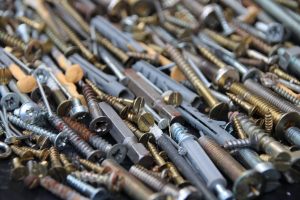
Stainless steel fastener quality refers to the measures taken to ensure that the fasteners meet or exceed certain standards and requirements. Quality is a crucial factor when it comes to these products, as they are often used in demanding applications where reliability is essential.
One important aspect of stainless steel fastener quality is the material itself. Stainless steel is known for its corrosion resistance and durability, making it an excellent choice for various industries. However, not all stainless steels are equal in terms of quality. Factors such as grade, composition, and manufacturing processes can affect the performance and longevity of the fasteners.
Another key element of quality lies in the design and construction of the fasteners. Proper engineering ensures that they can withstand high loads, vibrations, temperature fluctuations, and other environmental factors without compromising their integrity. This includes features like thread pitch, head shape, shank length, and overall strength.
Quality also involves rigorous testing procedures to ensure that each batch of fasteners meets industry standards. These tests may include tensile strength testing, dimensional checks, hardness tests, salt spray testing for corrosion resistance verification — just to name a few.
Furthermore,A reputable supplier will have certifications from recognized organizations such as ISO (International Organization for Standardization) or ASTM (American Society for Testing Materials), which demonstrate their commitment to maintaining high-quality standards throughout their production process.
In summary, stainless steel fastener quality encompasses material selection, durable designs, test protocols, and certifications from renowned organizations.
This combination guarantees reliable performance even under challenging conditions.
Sourcing your stainless steel fasteners from suppliers who prioritize these aspects will help you achieve superior results in your projects while ensuring long-term reliability.
The Different Types of Stainless Steel Fasteners
Stainless steel fasteners come in various types, each designed for specific applications and environments. Let’s explore some of the different options available.
We have stainless steel screws, which are commonly used for securing materials together. They come in a range of head styles such as flat, round or hexagonal, and can be self-tapping or machine threaded.
Next up are stainless steel bolts. These sturdy fasteners consist of a threaded shaft with a head on one end. Bolts are often used when high tensile strength is required, making them ideal for heavy-duty applications.
Another type to consider is stainless steel nuts. Nuts are paired with bolts to create secure connections and can be tightened using tools like wrenches or pliers. They come in various shapes including hexagonal and winged designs.
For joining two pieces of material at right angles, stainless steel angle brackets are the go-to choice. These L-shaped fasteners provide stability and support in construction projects.
We have stainless steel washers which distribute load and prevent damage to surfaces under bolts or nuts. They come in different thicknesses and sizes to accommodate various requirements.
With these different types of stainless steel fasteners available on the market today, it’s important to choose the right option based on your specific needs and project requirements. Always consult with your supplier for guidance on selecting the most suitable type for your application
What to Look for in a Stainless Steel Fastener Supplier
When looking for a Stainless steel fastener supplier, there are several key factors to consider. One of the first things to look for is a supplier that offers a wide range of products. This ensures that you will be able to find the exact fasteners you need for your specific project.
Quality is also essential when selecting a supplier. You want to make sure that the stainless steel fasteners they offer are made from high-quality materials and meet industry standards. Look for suppliers who have certifications or accreditations that demonstrate their commitment to quality.
In addition, it’s important to choose a supplier with excellent customer service. They should be responsive and knowledgeable, able to answer any questions or concerns you may have about their products or delivery processes.
Another factor to consider is pricing. While it’s not always wise to choose the cheapest option, you also don’t want to overspend on stainless steel fasteners. Look for suppliers who offer competitive prices without compromising on quality.
Take into account the reputation and experience of the supplier in question. A well-established company with positive reviews and testimonials indicates reliability and trustworthiness.
By considering these factors carefully when choosing your stainless steel fastener supplier, you can ensure that every purchase meets your expectations in terms of quality and reliability.
How to Evaluate a Stainless Steel Fastener Supplier
When it comes to evaluating a stainless steel fastener supplier, there are several key factors to consider. First and foremost, you want to ensure that the supplier has a solid reputation in the industry. Look for suppliers who have been in business for many years and have positive customer reviews.
Next, take a look at the variety of stainless steel fasteners they offer. A reputable supplier should have a wide range of options to choose from, including different sizes, grades, and styles.
Another important aspect to evaluate is the quality control measures implemented by the supplier. Do they follow strict manufacturing standards? Are their products tested for strength and durability? Make sure you choose a supplier that prioritizes quality assurance.
In addition to product quality, consider the level of customer service provided by the supplier. Are they responsive to inquiries? Can they provide technical support or assistance with finding specific fasteners?
Pricing is also an important factor when evaluating a stainless steel fastener supplier. While cost shouldn’t be your sole determining factor, it’s essential to find a balance between competitive pricing and reliable products.
By considering these factors when evaluating potential suppliers, you can ensure that you make informed decisions regarding your stainless steel fastener purchases
Conclusion
Ensuring quality and reliability in every purchase from a stainless steel fastener supplier is crucial for the success of any project. By understanding what defines stainless steel fastener quality, knowing the different types available, and choosing the right supplier, you can be confident in your purchases.
When it comes to stainless steel fasteners, quality means more than just meeting industry standards. It encompasses factors such as material grade, corrosion resistance, strength, and durability. Understanding these aspects will help you select the appropriate fasteners for your specific needs.
Speaking of selection, there are various types of stainless steel fasteners available on the market today. From screws and bolts to nuts and washers, each type serves a specific purpose. Familiarize yourself with these options so that you can make informed decisions when purchasing from a supplier.
Choosing a reliable stainless steel fastener supplier is essential to ensure consistent quality in your purchases. Look for suppliers who have extensive experience in the industry and offer certifications or accreditations that validate their commitment to excellence. Additionally, consider their inventory availability and customer service responsiveness as indicators of reliability.
To evaluate a potential supplier effectively, ask questions about their sourcing process and manufacturing techniques. Inquire about their testing procedures to ensure that products meet or exceed required specifications. A trustworthy supplier will be transparent with this information.
In conclusion (without using those exact words), by prioritizing quality throughout every step of the purchasing process – from understanding what defines quality in stainless steel fasteners to finding an experienced and reliable supplier – you can feel confident in every purchase you make.
Remember: Quality cannot be compromised when it comes to selecting stainless steel fasteners for your projects!